















A Global Leader in IT Services & Consultation
Our work ethics, work methodology, and dedication to the projects make us who we are today. With hands-on experience in working for clients globally from different industries, we believe in the power of our basic work ethics. Not just understanding, but assessing the performing in-depth research for your requirements, digging deeper into tailoring a solution, building a team to work with you, and smart execution makes us win every time!Yes, we deliver development solutions and services. But the way we deliver is what differentiates us!
Partner with us and see for yourself – the expertise, the experience, and the outcome!

17+
Years of Expertise
Learning. Unlearning. Relearning. Growing. This is what has kept us going to achieve new heights of success throughout these years.
-

1200+
Projects Completed
Yes! Grateful to call all of them our happy customers!
-

350+
Dynamic Individuals
They love to innovate everyday and work for a common goal.
What We Do
We partner with businesses to ideate, plan, design, prototype, build, test, launch, scale, and refine digital solutions that transform real lives. See what services we provide.


Enterprise Development Services
Build enterprise-grade applications for quantifiable business value.
Explore more
Ecommerce Development Services
Leverage a full spectrum of services to sell across the world, and grow digitally.
Explore more
ERP Services
Fulfill your efficiency and productivity requirements, and meet your enterprise goals.
Explore more
Our Services
-

Enterprise Application Development
-

Enterprise Mobile Application Development
-

Ecommerce Development Services
-

Product Engineering
-

CRM Services
-

ERP Services
-

DevOps
-

Quality Engineering
-

Cloud Application
-

AI/ML Development
Enterprise Application Development
Enterprise Application Development
Create enterprise-level applications customized to your business’ complex challenges and requirements with high-performing cloud platforms. Alleviate common pain points and let users complete their tasks efficiently and easily without interdependency. Join hands with us to leverage speed, scalability, and security!
- Custom Enterprise Application Development
- Enterprise Mobility Services
- Digital Transformation Services
- Software Integration
- Legacy Application Integration
- Data Analytics
Enterprise Mobile Application Development
Enterprise Mobile Application Development
Develop, test, and deploy custom mobile apps using a single code for all devices, browsers, and operating systems. At Biztech, we provide the tools and technologies that enterprises need to demystify and accelerate mobile app development.
Our enterprise mobile apps are scalable enough to handle large amounts of data while providing a smooth user experience, optimized performance, maximum openness and extensibility.
- Cross-Platform Enterprise App Development
- Mobile UI/UX Design
- App Porting
- Mobile POS Development
- Maintenance and Support
Ecommerce Development Services
Ecommerce Development Services
We make it easy for you to expand your business online. Whether it’s platform migration, store customization, or development from scratch, our eCommerce experts provide top-notch services.
We have a history of 500+ custom stores with 1B SKUs; security and customization being the core factor.
- Ecommerce Consultation
- Ecommerce Store Development
- Ecommerce Audit
- Ecommerce Operations Optimization
- Ecommerce Data Support
- Ecommerce Marketing Services
Product Engineering
Product Engineering
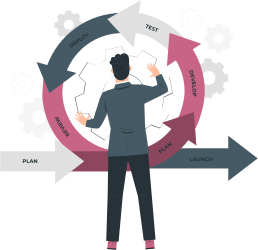
Bring the necessary rigor to innovate, implement, and improve next-gen products. Biztech provides a full spectrum of engineering services, including software, industrial design, product benchmarking, and value engineering.
We help clients know the value of their products at every stage of product development to maximize returns!
- Prototype and Ideation
- Complete Agile Approach
- Greenfield Development
- Product Re-engineering
- Product Testing
- Monitoring, Maintenance, and Support
CRM Services
CRM Services
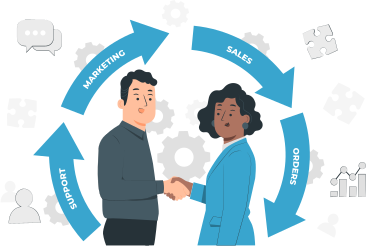
Take control of your customers across all channels and touchpoints with hyper-accelerated digitally enhanced customer relationships. Implement, optimize, and scale with an undisputed CRM system!
- CRM Implementation
- Workflow and Automation
- Entity Customization
- CRM Migration and Support
- Request Resolution
- Version Compatibility
ERP Services
ERP Services
ERP solutions that serve your business purpose, and maximize performance! Build custom ERP solutions with our experts and take your data management and infrastructure to the next level.
- ERP Implementation
- ERP Customization
- ERP Migration
- ERP Integration
- ERP Maintenance and Support
DevOps
DevOps
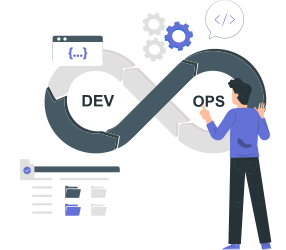
From assessment to implementation, we do everything with open communication, collaboration, and automation. We believe in continuous evolution to build innovative software.
- DevOps Consulting
- DevOps Implementation
- Environment Setup and Process Automation
- Security Integrations
- Cloud Management
- IT Managed Services
Quality Engineering
Quality Engineering
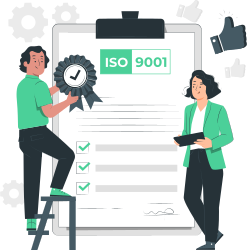
We offer quality checks and assurance to ensure your websites and apps follow all the standard quality principles and practices. Leave no stone unturned when it comes to boasting about the quality of your products and services!
- Quality Engineering Strategies
- Quality Continuity
- Web, Mobile, and Cloud Testing
- Test-Driven Development
- Quality Tools Suggestion and Evaluation
- Framework Implementation
Cloud Application
Cloud Application
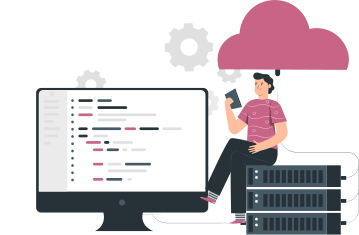
Transform your business with our best-in-class cloud services. Develop highly effective and reliable cloud solutions leveraging AWS, Azure, and Google Cloud.
- Cloud Assessment Consultation
- Cloud Integration Services
- SaaS and Hybrid App
- Data Migration
- Cloud Modernization
- Cloud Management and Maintenance
AI/ML Development
AI/ML Development
Give your customers the best of humans and technology with AI and ML solutions.
Leverage the power of sentiment analysis, predictive models, IoT-enabled systems, etc., to prevent risks, automate workflows, measure performance, and build better customer relations.
- Custom Chatbot Development and Integration
- Social Media Sentiment Analysis
- Pattern Mining and Forecasts
- AI-Powered Alarms
- Asset Management
- Voice Command Apps






Over 1200+ Projects Delivered
Clients trust us for our efforts to improve business agility and reduce costs. We are valued for our:
Our Agile Development Process

Requirement Analysis
Once you get in touch with us, we sit down with you to gather and analyze your requirements, and expectations.

Building the Right Team
After understanding the project, we focus on vetting and choosing the best-fitted talent from our 300+ team.

Planning and Execution
Getting the whole team on the same page with weekly meetings, standups, demos, and status reports, avoiding future conflicts.

Review and Delivery
Quality check and code review before any sprint release to ensure bug-free and secure product delivery.
Words that make an impact





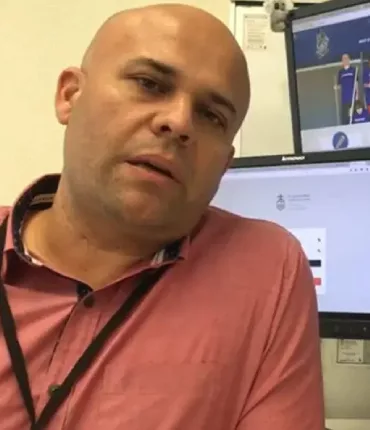

Fernando Delgado
CIO - El Camino Real Charter High School
We can always count on Team Biztech
Biztech has helped us in many ways in the last 5-6 years. We have embarked on several ventures with different applications ranging from ERP to iOS apps to stand-alone applications for inventory management. Specifically, regarding Odoo development, they have helped us overcome many challenges. Biztech is very fast and responsive. They are really easy to talk to. We can always count on team Biztech in case of any issues. I have worked with them for many years and would highly recommend Biztech.

Richie Bello
CEO - Dealer Source Group & Universal Solutions MMP, LTD an Automotive Sales Trainer and consultant.
Great team, effective, unbelievable productivity, impressive work: Richie Bello
We were facing challenges to market our website and getting desired traffic and results from the website. And we approached Biztech for our PHP and upcoming JS restructuring. We needed code restructuring and wanted to make the site SEO-friendly. Biztech helped us with the restructuring, made it user-friendly & responsive, and prepared it for search engine optimization. Their experts made it easier for us to understand where our website was lacking and optimized it for better marketing.
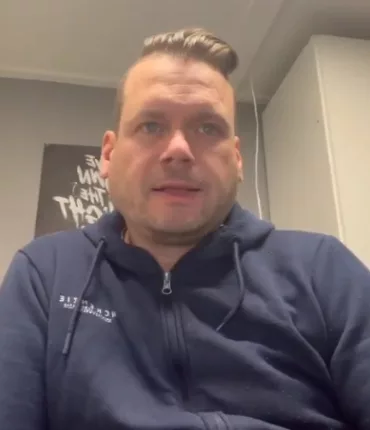
Alexander
BigFoot B.V
It was a pleasant journey, I am very happy with the results: Alexander
I have known Biztech for about 10 years now. This year I had an idea, and my first thought was to ask Biztech to help me turn my idea into an app. The 3-month journey went by quickly as Team Biztech continually interacted with me to ensure the end product resonated with my vision. It is truly amazing to discover that we were on the same page and Biztech was efficiently able to build a unique app based on my requirements.
Alex Wrenn
Director - Essential Aids
They’ve got an experienced team and impressive communication skills: Alex Wrenn
I wanted to avail myself of customized solutions for our store improvement. With the help of custom store solutions, we wanted to increase the number of satisfied customers and grow with current market trends. Biztech helped us with our website development, design, and eCommerce needs. They've got an experienced team, and I am impressed with their communication skills. I found Biztech very efficient and am pleased with how they handled things for us.

Adam Harvey
Co-founder and CEO of Proofed - Proofed Inc
Biztech felt more like an On-Shore team than an Off-Shore Team
We’ve been working with Biztech for the last 7 years. We find that they are really good at ideation and coming up with new ideas when we face any problems. We have grown with them in the past 7 years, and hope to continue growing with them in the future. We highly recommend Biztech, they are very professional and have got excellent technical skills and they felt more like an On-Shore team than an Off-Shore team.
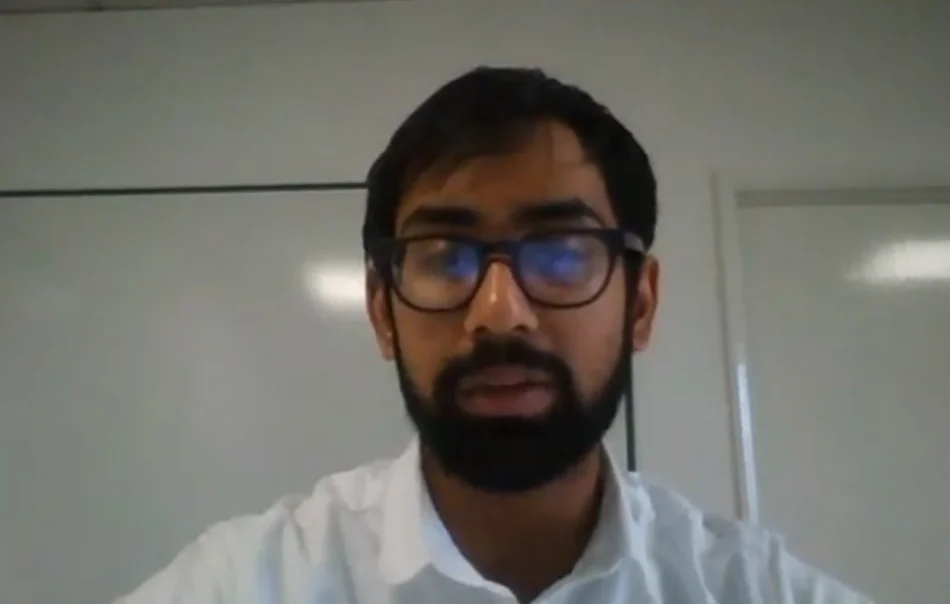
Shamsul Duha
Ecommerce Head - Rocaba Group
Biztech’s expertise in ERP, Magento, and .NET helped us enter a new market: Shamsul Duha
To meet the latest needs and expand our business further, we were looking to build an Ecommerce website for our products. We connected with Biztech, and they helped us with our website development. They are a partner aligned with what we have been trying to achieve regarding our business needs. With Biztech's expertise, we were able to enter a new market. I very much look forward to working with them in the future and highly recommend their services.

Robbert Morgan
CEO - Intervlag
I believe having Biztech on our side means we can grow faster and more efficiently: Robert Morgan
We use Odoo ERP to manage operations more efficiently and maintain productivity in our company. Initially, we worked with other companies for our Odoo requirements, but haven’t got the result that we were seeking. Finally, we entrusted Biztech with managing Odoo ERP for our company. Biztech understood our requirements aptly and helped us achieve the results that we were looking for. I found Biztech very different from other Odoo Developers. Biztech was very well-prepared for our needs and understood our requirements very well. I believe having Biztech on our side means we can grow faster and more efficiently.

Justin Loera
Director of SEO - Auto Insurance Centre
Quality work for the past 6 years, highly recommend Biztech for development and design: Justin Loera
We have been working with Biztech for the past 6 years. I believe the work accomplished with Biztech has been quite good, and I appreciate team Biztech for their commitment to our requirements. Biztech has supported us whenever we had a requirement. I highly recommend Biztech for all types of project needs, from Code development to Design requirements and themes.

Tim
Creative Director - Balmond
Spot-on service, approachable team understanding for our critical eCommerce needs: Tim
We wanted to go online to expand our market to the global level. We wanted a Magento store with a reliable shopping cart and a safe payment gateway for an easy and safe business transaction. And we got one with Biztech. After that, I worked with Biztech on a number of projects and was very satisfied with the work. I believe Biztech’s services are spot on and are also very approachable. I highly recommend Biztech for all types of website development and design needs.
Success Stories of Digital Transformation Developed By BiztechCS
Our persistence and enthusiasm to work with technologies have helped us go above and beyond our client’s expectations. Here, explore many of our successful projects which digitally transformed businesses.
PaceX
Flutter , Laravel
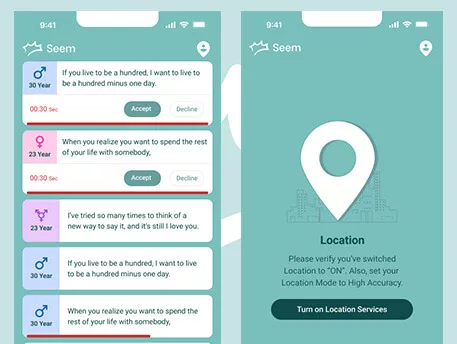
Seem
Flutter

Shhh
HTML5 , Shopify
IDID HRMS App
Android , iOS , Kotlin , Odoo , Python , Swift

An ERP solution to manage school’s operations
El Camino Real Charter High School, an American educational institution, confronted various operational...


Fueling OpsCTRL's Digital Transformation With Biztech: A Case Study on Enhanced Productivity
OpsCTRL is internationally renowned for its expertise in dynamic process modeling; especially for model-supported...

Reimagining Proofreading with Biztech: An Advanced CRM for Proofed
Proofed, headquartered in the UK, is a distinguished provider of comprehensive proofreading services,...

Optimizing Flag Manufacturing: Intervlag's Digital Transition with an Upgraded Odoo Website
Intervlag is a recognized flag manufacturer, situated in the heart of Rotterdam, Netherlands. Offering...
Tech Updates from Team BiztechCS
At BiztechCS, we keep you at the edge of technology with the latest updates, news, and trends influencing the IT industry. Our blog has a unique approach and is well-researched to give you a fresh perspective on technology.

Odoo Community Vs Odoo Enterprise for Manufacturing Industry
Tired of inefficient supply chain processes and inconsistent product quality for your manufacturing business? Then,...
Comprehensive Guide To Building Real-Time Apps With Flutter and WebSockets
Amidst the rising use of applications, web & mobile both, the demand for real-time applications is...
Navigating the Agile-DevOps Connection: Key Differences, Similarities, and More
Back in time, when companies were struggling with lengthy development cycles, limited adaptability, and...Technology Stack
- Open Source
- Close Source
- Mobile
- Graphic Design
- Microsoft
- Integrations
- Database
- Testing and Automation









































































Biztech believes in a people-driven over process-driven approach, which means your satisfaction is the priority! If you don’t believe us, hear it from Biztechians!
Looking for a great culture and work environment? Come join us!

Your Growth Transformation Partner
We help businesses like you expand their growth with the power of technology. Our world-class team of agile enabled innovators help you extend your tech capacity with advanced technologies and processes. To see it in action, let’s connect today and initiate the discussion.
Contact Us
Let’s create something awesome together. Reach out to us to hire the best talent for on-time and bug-free deliverables.